TRT vs. peptide therapy: what's the difference
Hormone optimization is one of the most discussed — and misunderstood — areas in health and performance. What TRT actually is, how peptide therapy differs, when each makes sense, and what the evidence says.
What is TRT?
TRT stands for Testosterone Replacement Therapy — a medical treatment for men with clinically low testosterone (hypogonadism). There are two broad types:
- Primary (testicular failure) — the testes aren't producing adequate testosterone, due to genetic conditions, chemotherapy, radiation, trauma, or natural failure.
- Secondary (hypothalamic-pituitary axis dysfunction) — the testes are structurally normal but aren't receiving an adequate signal (LH) from the pituitary, due to pituitary tumors, Kallmann syndrome, obesity, chronic illness, or aging.
The distinction matters: TRT addresses the symptom (low testosterone) but doesn't fix the underlying cause in secondary hypogonadism.
TRT approaches. Testosterone enanthate or cypionate (injectable, the most common, typically 50–200 mg weekly or every two weeks); testosterone gel (AndroGel, Testim; daily; steadier levels); testosterone patches (daily; less common); testosterone pellets (implanted every three to six months); and clomiphene citrate — not testosterone, but a SERM that stimulates the pituitary to produce LH and FSH, used in younger men who want to preserve fertility.
What TRT does. It reliably raises serum testosterone. In men with low testosterone, the research associates it with improved sexual function and libido, increased muscle mass and strength (alongside resistance training), better mood and energy, reduced body fat, and improved bone density and insulin sensitivity.
What TRT doesn't do. It doesn't address the underlying cause in secondary hypogonadism. It suppresses the HPG axis, so the body's own production decreases, and it impairs fertility by reducing sperm production. It requires ongoing monitoring (hematocrit, PSA, lipids, testosterone) and is a lifelong commitment once started.
What is peptide therapy?
Peptide therapy is an umbrella term for using peptides to modulate hormone and growth-factor pathways — peptides that stimulate the body's own hormone production, or act as alternatives to replacement. Common examples:
- CJC-1295 / GHRH analogs — stimulate pituitary GH release; not testosterone directly.
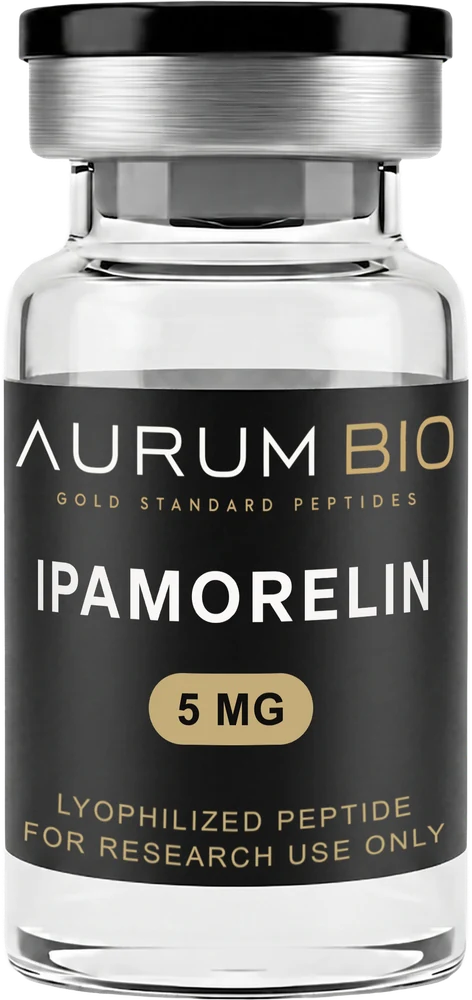
- Ipamorelin / GHRP-2 / GHRP-6 — ghrelin mimetics that stimulate GH; often combined with CJC-1295.
- hCG (Human Chorionic Gonadotropin) — not technically a peptide but a protein hormone that mimics LH, stimulating testicular testosterone directly; used to maintain testicular function and fertility in men on TRT, or to treat secondary hypogonadism.
- Clomiphene / Enclomiphene — SERMs that increase LH and FSH by blocking estrogen receptors in the hypothalamus, raising endogenous testosterone without suppressing the HPG axis.
- Kisspeptin — a peptide that stimulates GnRH release, upstream of the entire reproductive hormone axis.
Key differences: TRT vs. peptide therapy
Mechanism. TRT directly replaces testosterone — an exogenous hormone that bypasses the body's production. Peptide therapy stimulates or modulates the body's own systems, favoring endogenous production.
Effect on endogenous production. TRT suppresses the HPG axis; the testes atrophy and sperm production stops or severely decreases. Most peptide approaches preserve or stimulate the body's own production — CJC-1295 and Ipamorelin stimulate GH, hCG stimulates testicular testosterone, and clomiphene increases LH and FSH. For men concerned about fertility or maintaining testicular function, peptides are often preferred.
Regulation and legality. TRT is FDA-approved for documented hypogonadism — a legitimate medical treatment requiring a prescription and monitoring. CJC-1295, Ipamorelin, and similar peptides are not FDA-approved for any indication; they are sold as "research chemicals," legal to buy and possess for research but not for human use. This is a significant legal distinction.
When TRT makes sense
TRT fits when a man has clinically diagnosed hypogonadism (low testosterone confirmed by blood work plus symptoms); the hypogonadism is primary or severe secondary; fertility is not a concern; the patient will commit to lifelong therapy and monitoring; and the benefits outweigh the risks. It is a legitimate medical therapy with decades of use and well-characterized risks and benefits.
When peptide therapy makes sense
Peptide therapy is more often considered when a man has subclinical low testosterone (borderline, not frank hypogonadism); wants to preserve or improve fertility while optimizing hormones; is younger and wants to address decline before it becomes pathological; is on TRT and wants to maintain testicular function (hCG); or is pursuing performance and body composition rather than treating a diagnosed condition.
The evidence varies by use. hCG for fertility-preserving use is well-supported. Clomiphene for secondary hypogonadism is well-supported; for optimization in normal men, less so. CJC-1295 and Ipamorelin for testosterone optimization in normal men is speculative.
The "Low T" problem
The definition of "low testosterone" is contested. Lab reference ranges for total testosterone are commonly cited around 300–1000 ng/dL for adult men (labs vary), but these ranges include older men with age-related decline. Functional-medicine practitioners often argue that "optimal" testosterone is higher than "average" — that men in the 400–600 range (technically normal) still have symptoms TRT could address.
This creates a market for TRT clinics prescribing on symptoms and "optimal" ranges rather than strict diagnostic criteria. The legitimate concern: treating men who don't have true hypogonadism with lifelong hormone therapy is a significant medical decision with real risks.
Risks and side effects
TRT risks. Polycythemia (elevated hematocrit, raising clot risk); exacerbation of sleep apnea; prostate enlargement — PSA tends to rise by about 0.3 ng/mL over the first year of TRT (largely an early effect rather than a steady year-over-year climb), and a rapid or continued rise warrants investigation; cardiovascular risk (controversial); infertility; testicular atrophy; gynecomastia (from aromatization to estrogen); and acne or oily skin.
Peptide therapy risks. hCG can cause estrogen elevation, water retention, and desensitization at high doses. CJC-1295 and Ipamorelin carry unknown long-term safety and theoretical concerns about sustained GH/IGF-1 elevation. Clomiphene can cause mood changes and visual disturbances, and long-term use in men is less studied. Across the board, the unregulated market means purity is not guaranteed without CoAs.
Combining approaches
- TRT + hCG — preserving testicular function while on TRT; hCG maintains Leydig cell activity, reducing atrophy. Common in fertility-conscious TRT clinics.
- TRT + CJC-1295 — GH peptides alongside TRT for body composition.
- Clomiphene + hCG — a non-TRT approach to secondary hypogonadism that avoids exogenous testosterone.
The bottom line
TRT and peptide therapy are fundamentally different approaches to similar goals. TRT is a replacement therapy — right for men with confirmed hypogonadism who aren't concerned about fertility, backed by extensive evidence and well-characterized risks. Peptide therapy is a modulation approach — more appropriate for borderline or age-related decline, fertility preservation, or younger men optimizing before pathology.
The peptide space is less regulated and the evidence thinner. Some approaches (hCG, clomiphene) are well-supported; others (CJC-1295 and Ipamorelin for optimization) are mechanistically plausible but not clinically validated. For anyone considering either: get proper blood work, work with a knowledgeable physician, understand the commitment, and be clear about your goals.
References
Citations are listed by title so they can be verified directly on PubMed. Identifiers are omitted deliberately rather than reproduced from memory.
FOR RESEARCH USE ONLY · NOT INTENDED FOR HUMAN CONSUMPTION. This article describes compounds and the research literature in which they appear. Nothing here is a recommendation, protocol, or statement of effect.