A beginner's guide to peptide research
Peptide research is a rapidly growing field, and if you're new to it, the volume of information can feel overwhelming. This guide is for the person who knows a little and wants a clear path forward.
Step 1: Understand the legal landscape
Before anything else, know where you stand legally. In the United States, the regulatory status of peptides varies by structure, intended use, and marketing. Some peptides are FDA-approved for specific medical uses. Many sold as "research chemicals" or "for research use only" occupy a gray zone — legal to purchase and possess for research, but not approved for human consumption. Selling peptides as dietary supplements or making therapeutic claims without FDA approval is illegal.
The general rule: if a peptide product is marketed as a supplement, food, or with health claims, be skeptical. Legitimate research suppliers don't make those claims. Outside the US, regulations vary significantly — know your jurisdiction.
Step 2: Know what you're actually buying
The most important practical step. Any reputable supplier should provide a Certificate of Analysis (CoA) for every peptide — a document from a third-party lab confirming identity, purity (as a percentage), impurities, and reassay date.
What to look for:
- The peptide name and CAS number match what you're buying
- Purity of 95% or higher (higher is better)
- A reputable third-party testing lab, not the manufacturer's in-house lab
- A dated CoA with a batch number
If a supplier can't provide a CoA, don't buy from them. This is non-negotiable.
Step 3: Understand purity vs. potency vs. concentration
- Purity — what percentage of the sample is the actual target peptide. 98% purity means 2% is something else.
- Potency — how strong the compound is in a biological assay. Harder to measure directly; purity is a proxy.
- Concentration — how much peptide is in a given volume. A 10mg vial of 98% pure peptide contains 9.8mg of actual peptide.
Always calculate the actual amount of active peptide.
Step 4: Choose your peptide(s)
Common research areas and the peptides associated with them:
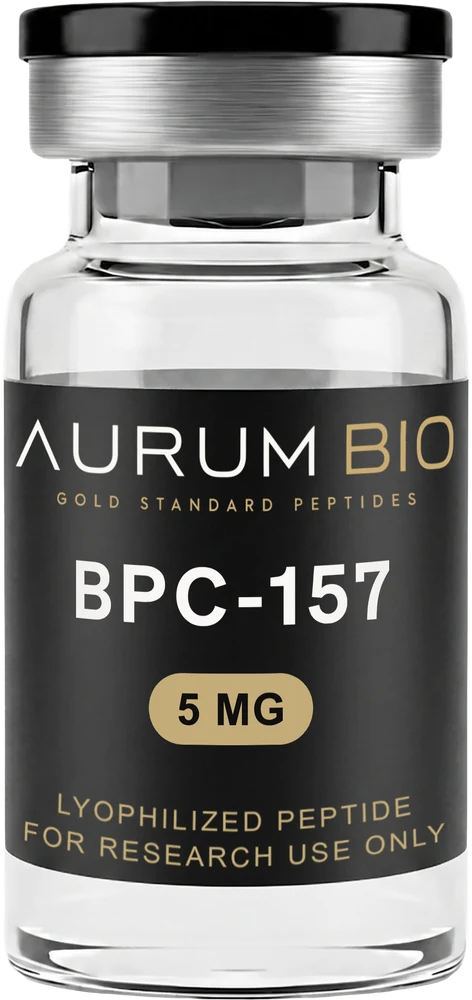
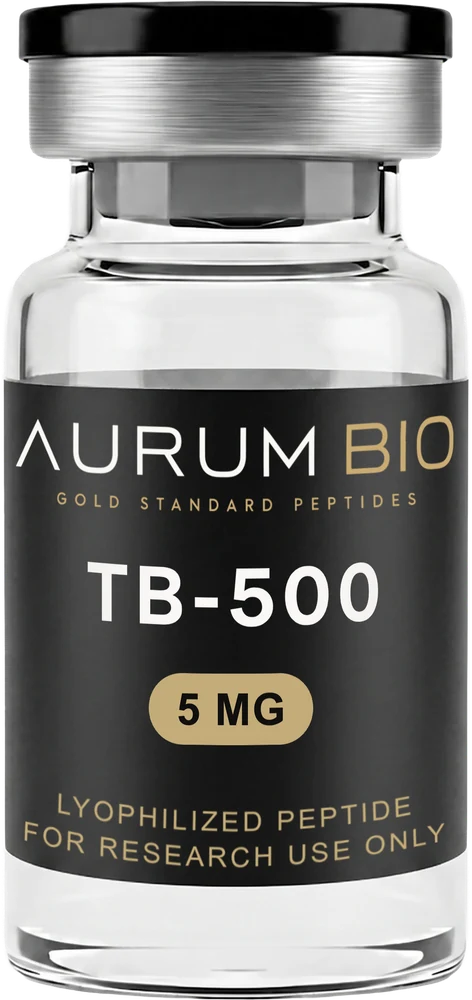
- Tissue repair and wound healing — BPC-157, TB-500 (Thymosin Beta-4)
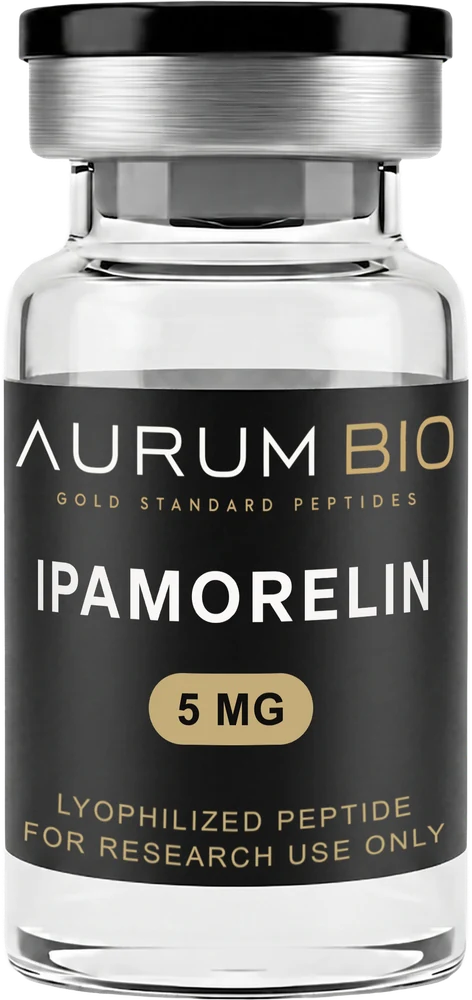
- Growth hormone and performance — CJC-1295, Ipamorelin, GHRP-2, GHRP-6
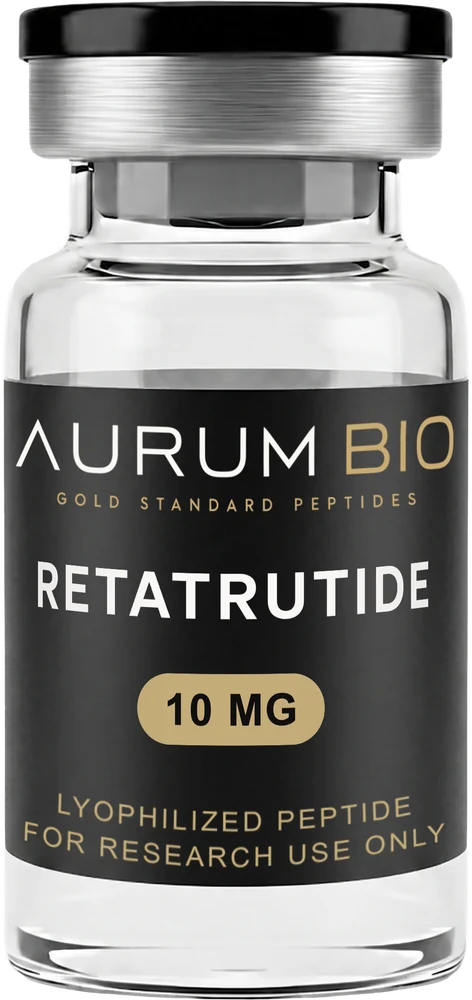
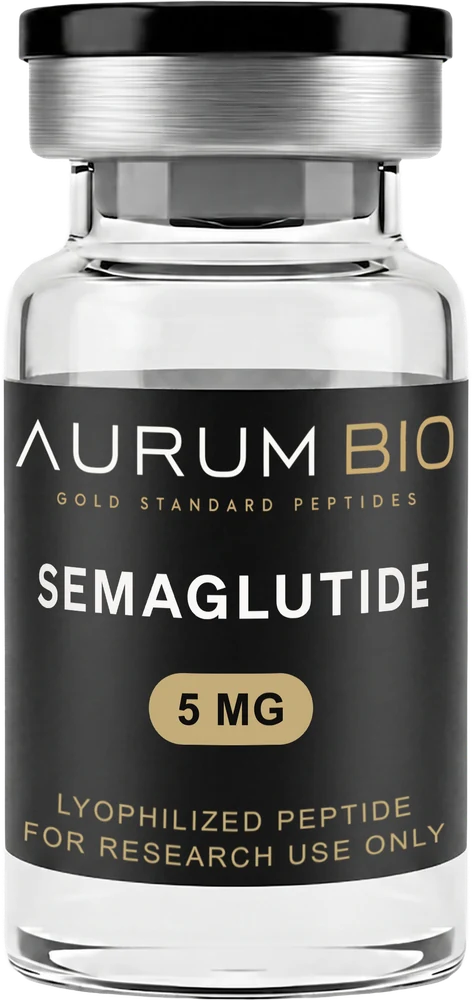
- Metabolic and weight — GLP-1 analogues, AOD-9604, semaglutide (prescribed form), retatrutide
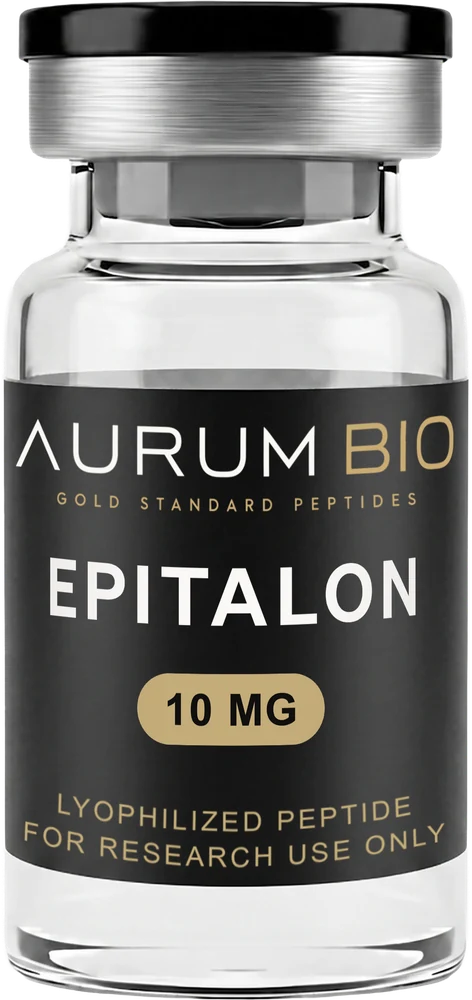
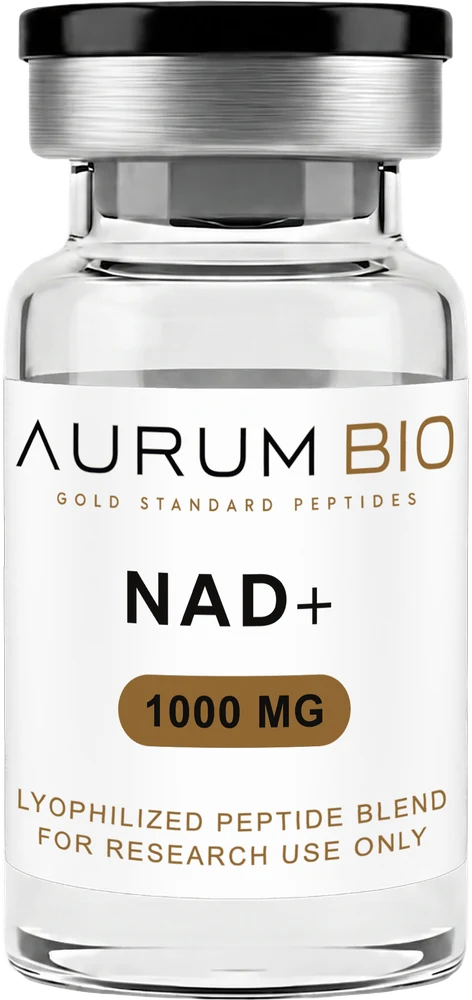
- Longevity and cellular health — NAD+ precursors (NMN, NR), Epithalon, Thymosin Alpha-1
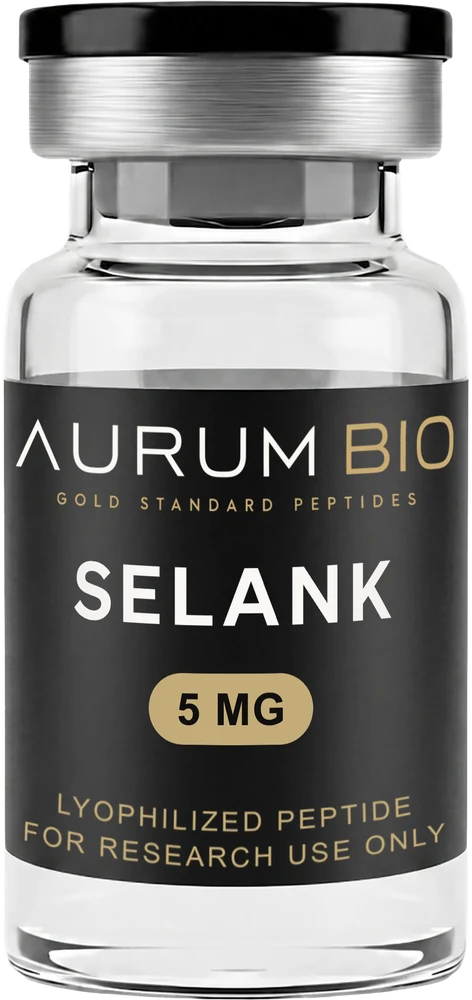
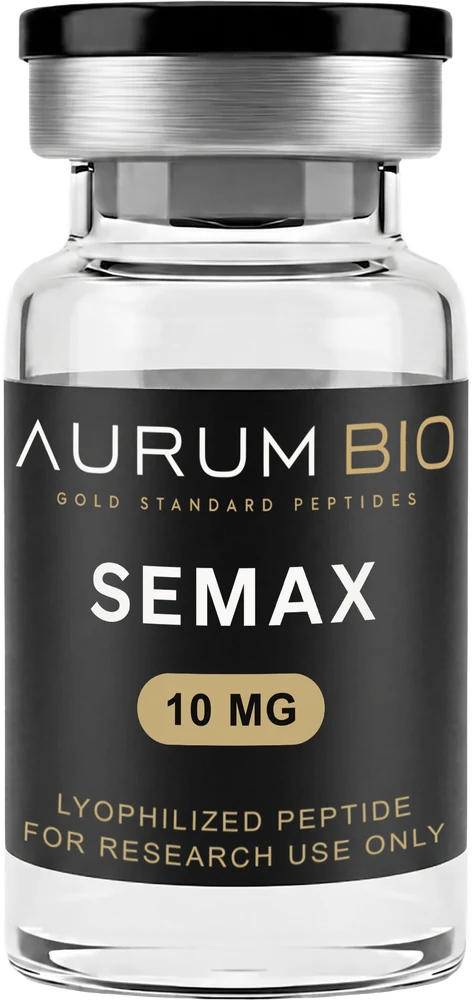
- Cognitive function — Selank, Semax, Dihexa
For each peptide, start with the peer-reviewed literature, not anecdotes or marketing.
Step 5: Read the peer-reviewed literature
Where to find studies:
- PubMed (pubmed.ncbi.nlm.nih.gov)
- Google Scholar (scholar.google.com)
- ScienceDirect, Springer, and Wiley
How to search: pair the peptide name with terms like "mechanism of action" or "pharmacology," and prioritize review articles. When reading a study, focus on study design (in vitro, in vivo, or human), sample size, dose, the actual results rather than speculation, and any funding or conflicts of interest.
Step 6: Set up your research space
- Storage — most peptides need refrigeration (2–8°C) or freezing (−20°C or below); some need protection from light.
- Reconstitution — many come as lyophilized powder that needs a solvent, such as bacteriostatic water or sterile saline.
- Measuring — a precision scale capable of milligrams, sometimes micrograms.
- Documentation — keep detailed records. Research is only as credible as its documentation.
Step 7: Consider your ethical and safety framework
Before any animal research, review your institution's IACUC guidelines, the 3Rs (Replacement, Reduction, Refinement), and relevant regulations. For personal lab safety: use PPE, understand the hazards, have a waste disposal plan, and know what to do in the event of accidental exposure.
Step 8: Connect with the research community
Where to find other researchers:
- Reddit communities (r/Peptides, r/nootropics) — useful for a sense of what others are studying, but not a substitute for primary literature.
- Research forums such as LongeCity (longecity.org).
- Conferences from organizations like the American Aging Association (AGE) and the International Society of Antioxidants in Nutrition and Health (ISANH).
Don't rely on any single source — cross-reference forums with primary literature.
Step 9: Start small
Don't buy large quantities of multiple peptides and run complex protocols immediately. Start with one peptide, one well-documented protocol from the literature, and small quantities while you learn.
Step 10: Stay organized
Keep a dedicated research log: peptide name, batch number, supplier, and purchase date; CoA reference; storage conditions; reconstitution details; every dose given; and observations and results. Treat it like a lab notebook.
The bottom line
Starting peptide research is a process. You don't need a PhD, but you do need a clear legal understanding, rigorous sourcing (always CoAs), primary literature as your foundation, basic lab infrastructure, ethical and safety awareness, and organizational discipline. Take it one step at a time. Read widely. Verify everything. Document obsessively.
References
Citations are listed by title so they can be verified directly on PubMed. Identifiers are omitted deliberately rather than reproduced from memory.
FOR RESEARCH USE ONLY · NOT INTENDED FOR HUMAN CONSUMPTION. This article describes compounds and the research literature in which they appear. Nothing here is a recommendation, protocol, or statement of effect.