BPC-157: what the research says about tissue repair
Of all the peptides in the research literature, BPC-157 generates more questions than almost any other. Here is a plain-language overview of what researchers have studied — and, just as important, what they haven't.
What is BPC-157?
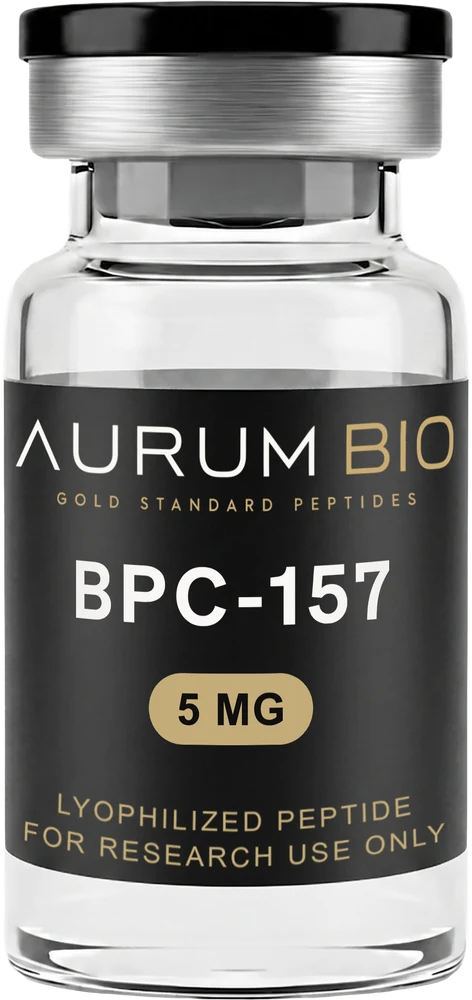
BPC-157 stands for Body Protection Compound-157. It's a pentadecapeptide — a chain of 15 amino acids — first identified in human gastric juice, where it appears as part of the body's protective mechanisms in the GI tract.
Researchers began studying it for its potential tissue-protective and repair properties. What made it stand out in early work was its unusually broad apparent activity: it seemed to affect multiple tissue types, which made the mechanism harder to pin down.
How is BPC-157 thought to work?
Researchers have proposed several mechanisms. None are fully established.
- Growth hormone receptor upregulation — BPC-157 may increase GH receptor expression in tissues, amplifying the body's own repair signals rather than introducing an external hormone.
- Nitric oxide pathway interaction — it appears to interact with the NO pathway (vasodilation, blood flow, tissue healing), possibly stabilizing blood flow to damaged tissue.
- F-actin and cytoskeletal effects — in cell studies, it influences the organization of F-actin, which is important for cell movement, wound closure, and tissue repair.
- Anti-inflammatory activity — multiple animal studies report reduced inflammatory markers. The mechanism is unclear, but this is one of the most consistently observed effects.
What the research shows
This is a summary of published research findings, not medical advice.
GI tract and ulcer protection. BPC-157 was first studied extensively here. Multiple animal studies suggest it may protect against ulcers caused by ethanol, NSAIDs, and other gastric insults, and it appeared to accelerate the healing of existing ulcers.
Tendon and ligament repair. This is where it attracts the most attention. In animal studies — primarily in rats — BPC-157 has been shown to accelerate healing of transected Achilles tendons, improve the strength and structural quality of healed tendons, speed wound closure in ligament injuries, and reduce adhesions. In some rat tendon studies, treated animals reached near-normal tendon strength faster than controls.
Muscle healing. A smaller but growing body of research suggests support for muscle repair. Rat studies show improved fiber regeneration and faster functional recovery after crush injuries to the gastrocnemius.
Bone and cartilage. Some fracture-model studies in rats suggest improved healing. Cartilage research is more limited.
Neurological effects. A few animal studies suggest neuroprotective effects in brain-injury models, but the evidence is too preliminary to draw conclusions.
Systemic effects. Effects appear to persist even when the peptide is given systemically — unusual for peptides — possibly via the proposed nitric oxide effects.
What we don't know
- Human clinical trials — very few are published. Almost all research is in animals, mostly rats.
- Long-term safety — not established in humans.
- Optimal dosing — there is no established human dose.
- Mechanism of action — the proposed mechanisms remain hypotheses.
- Drug interactions — not well-documented.
- Quality and consistency — research-grade supply varies; third-party CoAs are essential.
BPC-157 and the "Wolverine Stack"
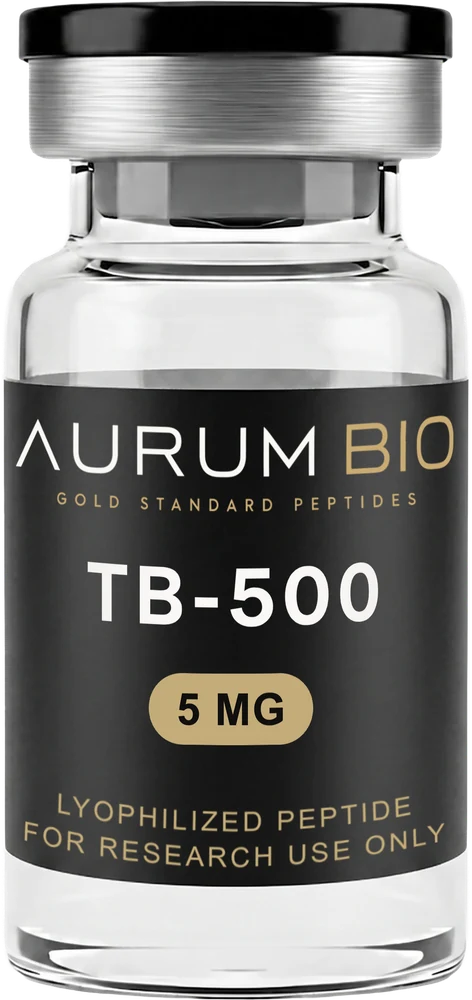
BPC-157 is often discussed alongside TB-500 (Thymosin Beta-4) as a "stack" aimed at complementary effects — BPC-157 considered primarily a GI and tendon repair peptide, TB-500 primarily anti-inflammatory and wound-healing. This is a hypothesis, not a claim; no well-controlled human research validates the stack.
The "Wolverine Stack" nickname comes from internet communities, not peer-reviewed literature. The more rigorous approach is to evaluate the compounds individually.
Sourcing and quality
- Third-party CoA — required, always.
- Purity — 95%+, ideally 98%+.
- Storage — typically shipped as a lyophilized powder; store refrigerated or frozen. Reconstituted solutions are typically stable for 2–4 weeks refrigerated.
- CAS number — 137525-51-0 (the acetate salt is 1628202-19-6) — useful for verifying identity against CoA data.
- Appearance — typically a white, fluffy powder; note any discoloration, clumping, or moisture.
- Reconstitution — bacteriostatic water or sterile saline are common.
The bottom line on BPC-157
BPC-157 is one of the most studied peptides in tissue repair, with more substantial animal research than most — particularly for tendon, ligament, and GI repair. But the gap between promising animal data and established human benefit is real. Without human clinical trials, no confident statements can be made about efficacy, safety, or dosing in people.
For researchers, it's a legitimate area of study with a plausible mechanism and consistent animal data. For anyone else, the most honest position is this: the research is encouraging, but it isn't settled.
References
Citations are listed by title so they can be verified directly on PubMed. Identifiers are omitted deliberately rather than reproduced from memory.
FOR RESEARCH USE ONLY · NOT INTENDED FOR HUMAN CONSUMPTION. This article describes compounds and the research literature in which they appear. Nothing here is a recommendation, protocol, or statement of effect.